Managing money doesn’t have to be overwhelming. You don’t need hours each week, a complicated spreadsheet, or a finance degree. In fact, many impactful money habits can take just five minutes a day. These small tasks, when done regularly, can bring more clarity to your financial picture, help you stay on track, and even build wealth over time.
Let’s walk through practical things you can do today--in five minutes or less--that will genuinely help your finances.
Open Your Banking App Every Morning
Before you dive into emails or social media, open your banking app. Look at your checking and savings balances. This isn’t about stressing over every dollar--it’s about staying aware. You’ll be less likely to overspend if you’ve just seen your numbers. You might also catch suspicious charges early or notice a subscription you forgot about.
Scan for Unusual Charges
While you’re in the app, scroll through your recent transactions. Does everything look familiar? Spotting a mistake or an accidental double charge early can save you both money and headaches. If anything looks off, flag it or call your bank later in the day. Catching errors quickly can make all the difference.
Transfer a Small Amount to Savings
Even $2 or $5 a day adds up. Most banking apps allow quick internal transfers. Try making it a game--can you find $3 you didn’t spend yesterday and move it to savings? Over a month, that’s close to $100 saved with zero pain. It’s an easy win, and seeing that savings account grow, even slowly, can be really motivating.
Review One Budget Category
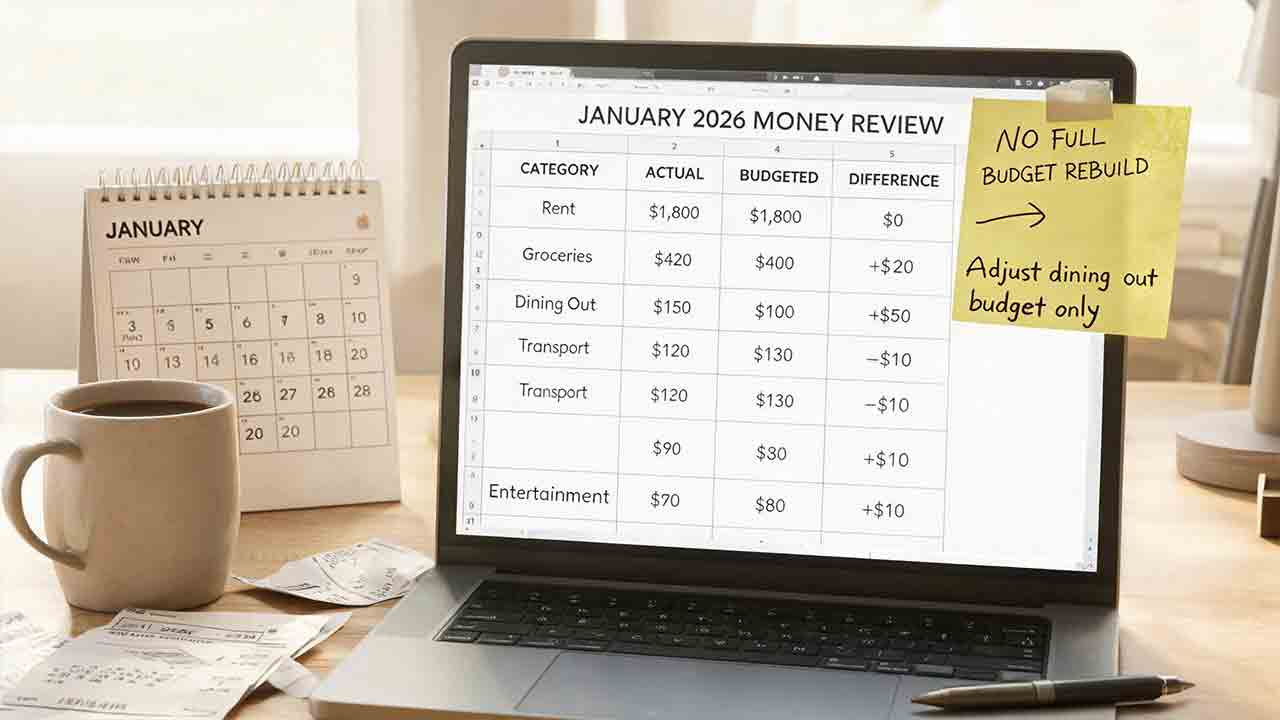
Budgeting doesn’t need to be an hour-long activity. Spend five minutes checking one budget category--like groceries or entertainment. Are you on pace? Did you spend more than expected this week? You can adjust before things get out of hand. Focusing on just one area makes budgeting less intimidating and more sustainable.
Cancel One Unused Subscription
Most people are signed up for something they don’t really use. Maybe it’s a streaming service you haven’t opened in months or a subscription box that no longer excites you. Take five minutes to log in and cancel. That’s instant savings--sometimes $10 to $30 per month gone from your expenses with one quick task.
Pay a Bill or Set Up Autopay
Forgotten bills lead to late fees and credit dings. If you’ve got a bill due within the next few days, pay it now. Better yet, set it on autopay if it’s a fixed amount. You’ll avoid stress and keep your credit score in good shape. Even setting reminders or calendar events can prevent last-minute scrambling.
Read One Finance Tip
Find a short article, a blog post, or a money tip in a newsletter. Keep it simple--something you can digest quickly but that teaches you something new. Over time, these micro-learning moments build your confidence and help you make smarter decisions. Bookmark a few trusted sources and make it part of your routine.
Check Your Credit Card Balance
A quick peek can prevent a nasty surprise at the end of the month. If you use credit cards often, this helps you stay mindful of your running total. It also encourages you to make payments more regularly, avoiding high balances and interest charges. Just knowing the number has a psychological effect on spending.
Make a Tiny Extra Debt Payment
Even $10 toward your credit card or student loan helps. Most online systems allow manual payments anytime. That small extra payment cuts down your interest and speeds up your debt payoff. Over time, you’ll be amazed at how those little payments add up. It’s a simple but powerful move in your favor.
Reflect on a Recent Purchase
Think about something you bought yesterday or earlier this week. Was it worth it? Would you make that purchase again? This kind of reflection helps you get better at spending. It’s not about feeling bad--it’s about learning what really adds value to your life and what doesn’t.
Check Prices on a Regular Purchase
If there’s something you buy frequently--coffee pods, dog food, skincare products--spend five minutes checking if it’s cheaper elsewhere. Use a price comparison tool or check your favorite stores. You might find a bulk deal or a new brand that saves you money without sacrificing quality.
Automate a Micro-Investment
Apps like Acorns or others that round up purchases into investments make it easy to start. Even if you’re not using an app, you can log into your brokerage account and schedule a recurring investment--$5 a week, maybe $20 biweekly. The key is setting it up once, and then letting it run in the background.
Revisit Your Financial Goals
Take a look at where you’re headed. Whether you’re saving for a vacation, a new laptop, or paying off a loan, checking in with your goals keeps them fresh in your mind. This helps motivate your daily decisions. A sticky note on your bathroom mirror with a savings number or deadline can do wonders.
Snapshot Your Receipts
Still using paper receipts? Snap a photo and upload them to a tracking app. Or, if you use a budgeting app, quickly add that expense. The more you document in real time, the less overwhelming it is to get your monthly numbers in order.
Check Your Cashback or Rewards
If you use cashback sites or credit card rewards, see if there’s anything available. Maybe you’ve earned $10 cashback or have points to redeem for a gift card. It’s like finding free money. Redeeming small wins can give you a sense of progress and keep you engaged in the process.
These small five-minute actions may seem simple, but their power lies in their consistency. Daily attention prevents surprises, builds good habits, and makes your financial life less reactive and more intentional. When you do just one or two of these every day, you build momentum. Before you know it, you’re not just managing money--you’re taking charge of it.