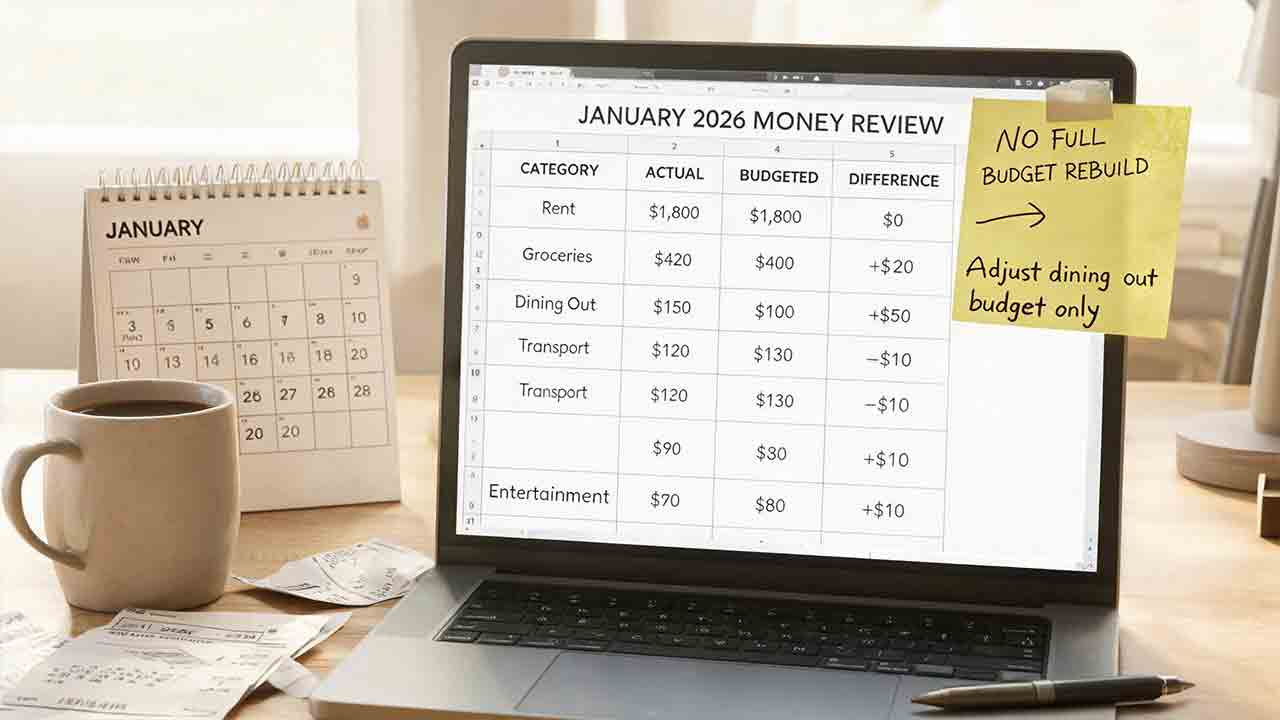
When it comes to money management, not every action has to be time-consuming or complicated. Sometimes, the simplest steps can make the biggest difference. Whether you’re looking to save more, spend less, or just feel more in control of your finances, there are a handful of quick tasks that can deliver real results--often in five minutes or less.
These aren’t massive overhauls. They’re not about giving up everything you enjoy or memorizing investment formulas. They’re practical, fast, and immediately actionable. Let’s look at ten of the best financial quick wins you can knock out today.
1. Cancel One Subscription You Don’t Use
Open your bank or credit card statement and look for any recurring charges. Is there a streaming service, fitness app, or delivery membership you haven’t used in weeks? Cancel it now. You could save anywhere from $5 to $50 a month--money that’s better off in your savings account.
2. Set a Daily Spending Limit on Your Debit or Credit Card
Most banking apps now let you set soft spending limits. These alerts won’t block your purchases, but they give you a clear signal when you’re close to your self-imposed boundary. Even a small limit can help you stay more mindful about what you swipe for each day.
3. Transfer a Small Amount to Savings
This might be the easiest win of them all. Move $5, $10, or even just the spare change from yesterday’s balance into your savings account. The amount doesn’t matter as much as the habit. Small, regular transfers compound over time--and they train you to prioritize saving first.
4. Review and Categorize Yesterday’s Transactions
Open your budgeting app or spreadsheet and label what you spent money on yesterday. This builds awareness and helps you spot patterns before they become problems. It also makes monthly reviews way easier, since you’ve already done the legwork along the way.
5. Check Your Credit Score
You can do this for free with most banks or through sites like Credit Karma. Knowing your score gives you a snapshot of your credit health. Plus, catching a sudden drop could help you detect fraud or reporting errors before they spiral into a major issue.
6. Unsubscribe From Promotional Emails
All those retail newsletters tempting you with “limited-time” deals? Get rid of them. Take a few minutes to unsubscribe from five or ten marketing emails. Less temptation equals less spending. Fewer emails also means less digital clutter.
7. Increase Your Retirement Contribution by 1%
If you’re already contributing to a 401(k) or IRA, log in and bump your contribution up by 1%. It’s a small enough change that you likely won’t feel it in your paycheck--but over time, it can add thousands to your retirement fund. One click can make a big difference.
8. Set a Calendar Reminder for Your Next Bill
Avoiding late fees is one of the most underrated ways to save money. Choose one upcoming bill--your internet, credit card, or utilities--and set a reminder a few days before it’s due. If you’re not ready for full automation, this quick manual step can prevent avoidable charges.
9. Shop One Regular Purchase for a Better Price
Think of something you buy regularly: coffee pods, vitamins, pet food, toiletries. Search online for a cheaper source, subscribe-and-save option, or local alternative. Doing this for even one product can lead to meaningful savings over time.
10. Take 5 Minutes to Reflect on a Recent Purchase
Look at one thing you bought in the last few days. Ask yourself: Was it worth it? Would I buy it again? This simple reflection builds long-term awareness. It teaches you to spot impulse buys, recognize patterns, and steer your spending toward things that actually add value to your life.
---
You don’t need to be a financial expert to build a better relationship with money. You just need a few moments of focused effort each day. These ten quick wins can be sprinkled throughout your week--one a day, two on the weekend, or whatever fits your flow. They’re the low-hanging fruit that anyone can reach, no matter where they’re starting.
Over time, the impact adds up. You’ll feel more organized, less reactive, and more confident. And the best part? You’ll start to realize that handling your finances doesn’t have to be a huge project--it can be something you take charge of, five minutes at a time.