Payday feels great--until that money starts disappearing faster than you expected. Rent, bills, groceries, a night out here, a surprise expense there--and suddenly, you're counting down the days until the next check. That cycle doesn’t have to be your norm.
Enter paycheck planning: a simple, repeatable system that turns your income into a clear, intentional plan the moment it lands in your account. It’s not budgeting in the traditional sense--it’s more like telling your money what to do before it even has the chance to leave.
Here’s how to build a paycheck planning ritual that can completely change the way you manage your money.
Why Plan Around Paychecks?
Budgeting by the month makes sense if your income is regular and stable. But for many people--especially those paid biweekly, semi-monthly, or irregularly--monthly budgets often fall apart halfway through.
Paycheck planning aligns your spending with your actual income schedule. You plan in smaller, more manageable chunks. And that alone can reduce overwhelm and help you stay on track.
Step 1: Know Your Pay Schedule
Start by mapping out the dates you get paid over the next 1-2 months. If you’re paid biweekly, note that some months will have three paychecks. If you’re freelance or on variable income, estimate conservatively based on your lowest typical earnings.
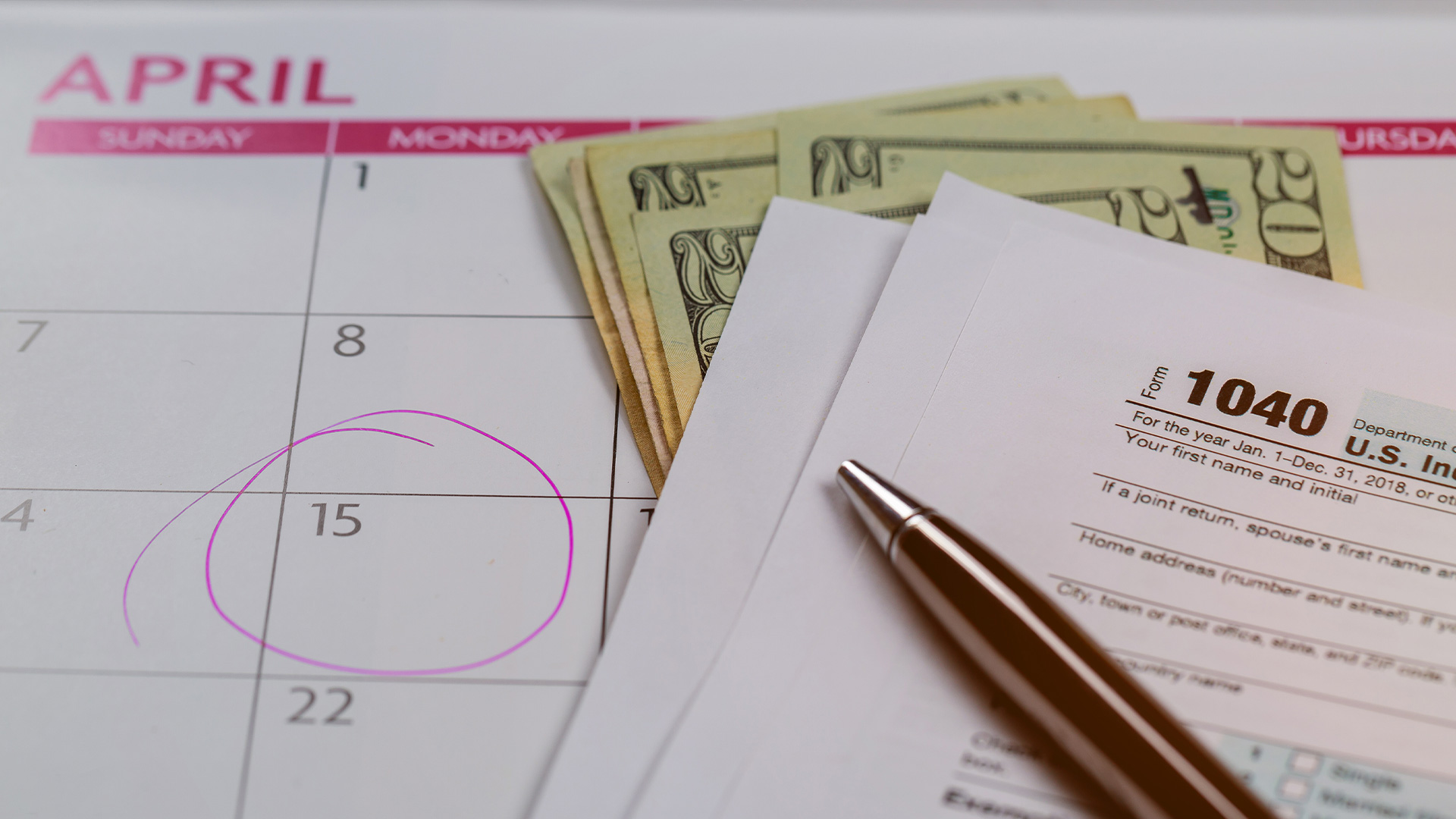
Put these dates on a calendar--digital or physical--and keep it somewhere visible.
Step 2: Make a Standard Paycheck Template
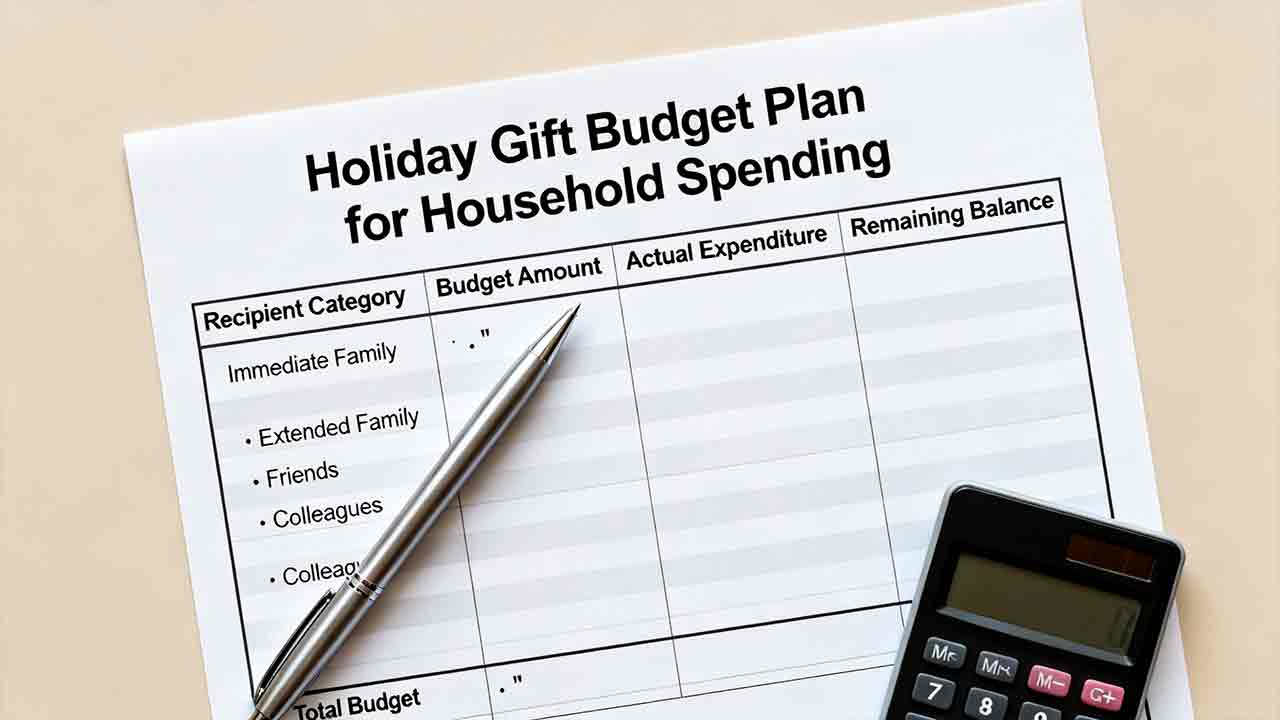
Create a simple outline of where each paycheck goes. This is your base plan. It might look something like this:
- Rent and utilities: $750
- Groceries: $150
- Transportation: $50
- Debt payments: $100
- Savings: $100
- Personal spending: $75
Tweak it based on your own priorities and responsibilities. This template helps you quickly assign your money each time you're paid.
Step 3: Divide Bills by Paycheck
List out all your fixed bills for the month. Then divide them across your paychecks based on due dates.
For example:
- Paycheck 1 covers rent, insurance, and groceries
- Paycheck 2 covers utilities, credit card, and gas
Make sure no one paycheck is overloaded. If one check carries too much weight, see if you can shift payment dates or use part of the other check to cover it.
This breakdown gives you clarity and reduces surprise bill stress.
Step 4: Automate What You Can
Once you know where each dollar goes, automate those transfers:
- Auto-pay fixed bills from your checking account
- Set automatic transfers to savings on payday
- Schedule debt payments in advance
You’re building a system that runs itself. Less decision-making means fewer chances to derail your plan.
Step 5: Use “Buckets” or Separate Accounts
Consider creating separate accounts or digital “buckets” for different purposes. Many banks now let you split your money into labeled goals or categories within the same account.
You might have:
- A “Bills” account for recurring expenses
- A “Spending” account for everyday purchases
- A “Savings” bucket for short-term goals
On payday, transfer the right amounts into each one. This creates natural guardrails around your money.
Step 6: Track as You Go
Each time you spend, check where the money came from. If you paid a bill, mark it off. If you dipped into your grocery money, update that envelope or app category.
A quick 2-3 minute review at the end of each day helps you stay aware without getting bogged down. Your paycheck plan is your blueprint--this tracking step keeps you following it.
Step 7: Adjust Each Time You Get Paid
Before each new paycheck, take five minutes to:
- Review what worked from the last check
- Note any unexpected expenses
- Tweak your next plan accordingly
Did you overspend in one category but underspend in another? Did you forget a recurring expense? Use that info to improve the next cycle.
Each plan gets better with practice.
Step 8: Leave Some Wiggle Room
Don’t allocate every last cent. Give yourself a little buffer--maybe $50 to $100--to catch the unexpected without panicking.
This margin can cover forgotten bills, spontaneous outings, or last-minute groceries. Having it there keeps you from dipping into savings or putting purchases on credit.
Step 9: Align With Your Goals
Include something goal-oriented in every paycheck plan:
- $25 toward an emergency fund
- $50 extra on a credit card payment
- $10 set aside for holiday gifts
Even small amounts add up. By making these contributions part of your normal routine, you’re always making progress--no matter your income level.
Step 10: Make It a Ritual
Set a recurring calendar event for payday. Block out 15-20 minutes to sit down with your planner, budgeting app, or notes. Light a candle, put on music, and make it feel less like a chore and more like self-care.
This is your money. You get to decide how it works for you. And with a solid paycheck planning system, you’ll finally feel like you’re in charge of it--instead of the other way around.